
“Brody’s work brought a rare combination of artistry, dignity, and community engagement that deeply resonated with everyone who experienced it. He took the time to assimilate into our community and build relationships and trust.
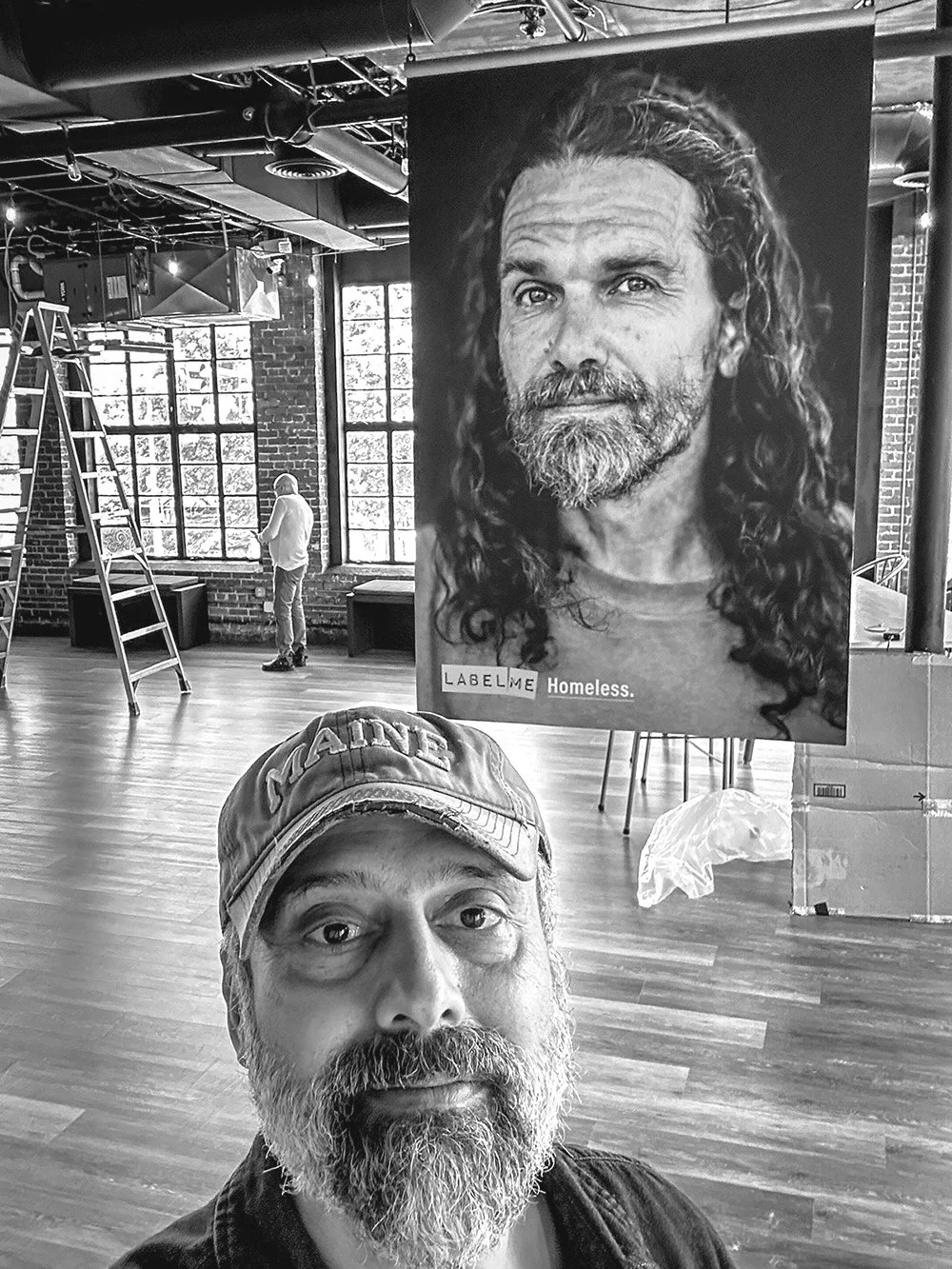
The result was powerful imagery that has supported our mission in multiple ways — creating space for people to see and understand poverty in a more human, nuanced way, shifting perspectives from judgment to empathy.
Brody’s approach is deeply respectful, making visible stories that too often go unheard while honoring the dignity of those at their center.”
A civic arts practice grounded in dignity.
The work begins with sustained presence inside a community or institution and moves outward from there—into documentary photography, personal story, public exhibition, and the kinds of conversations that can change how a place understands itself.
The practice is built for partners whose mission depends on being understood in a more human and nuanced way than familiar frames allow—whether the work centers on people, place, community, culture, or the living environment. Most projects unfold over time, allowing images and stories to emerge through sustained attention and relationship rather than surface impression. The people portrayed retain agency in how they are seen.
How the work takes shape
Every project begins with listening—to the organization, the community, and what the work is being asked to do. From there, narrative strategy, documentary photography, personal story, public exhibition, and community engagement may work independently or together. The form follows the human question and the purpose it needs to serve.
UnLabel Poverty in Asheville grew from months of relationship-building into a large-scale public portrait installation, community dialogues, and participation by city and state leaders. Other projects include The Only Mirror, a commissioned photographic montage for chamber and vocal ensemble at the 2026 Bled International Music Festival in Slovenia, and additional long-form documentary work underway in Downeast Maine.
Forms the practice takes
Long-form documentary projects
Story development and narrative strategy
Embedded institutional collaborations
Personal stories for donor and community engagement
Public installations, exhibitions, and civic programs
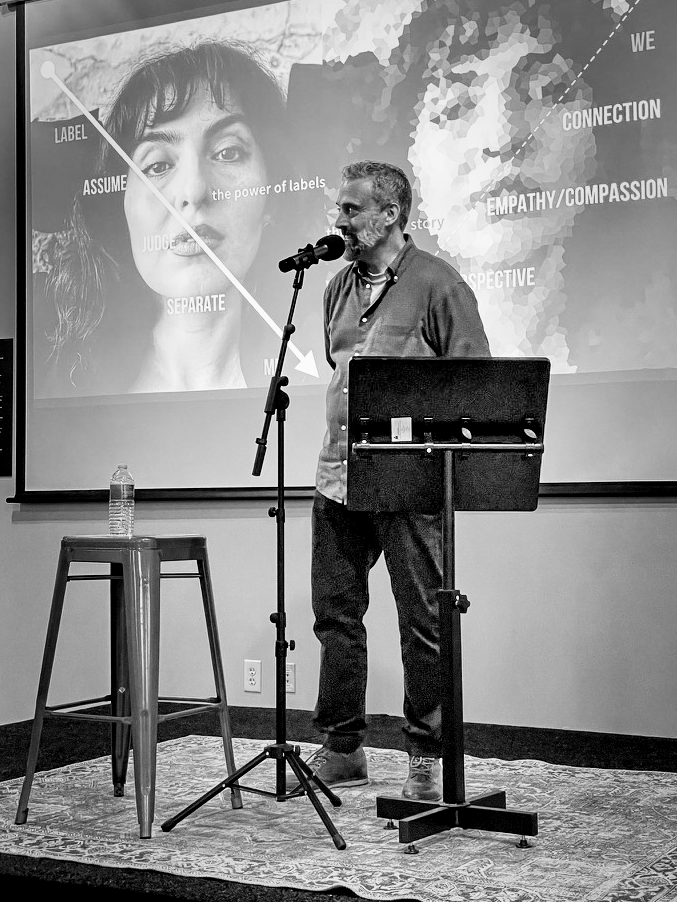
Public talks and facilitated dialogue
Editorial and artist collaborations